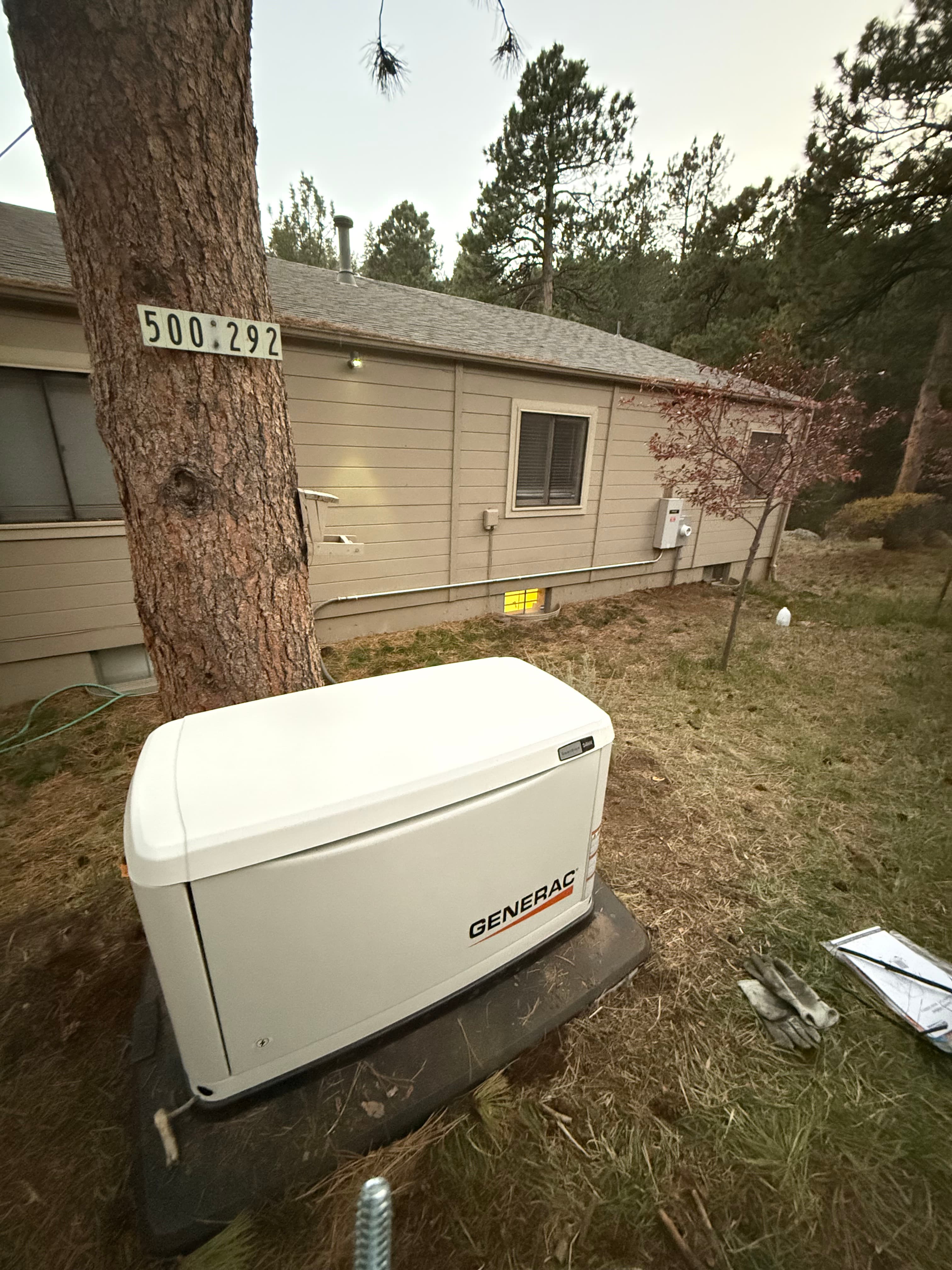

Natural gas is often the superior choice for a natural gas vs propane generator Denver installation because it provides a continuous fuel supply without the need for onsite tank refills. While propane offers higher energy density and greater power output per unit, natural gas remains more cost effective and convenient for most homeowners in urban or suburban settings.
When a sudden winter storm or an unexpected grid failure leaves your Denver neighborhood in the dark, the reliability of your backup power system becomes your primary concern. For homeowners in the Front Range, the choice between natural gas and propane is more than a simple matter of convenience; it is a critical decision that affects performance, runtime, and long term maintenance. At Elite Electric, we understand that Denver's unique climate and high altitude require a sophisticated approach to standby power. This guide provides a detailed comparison of these two fuel sources, examining how thin air impacts combustion and how sub zero temperatures affect fuel pressure. You will learn the practical differences in installation costs, energy density, and reliability, ensuring you select the most robust solution to keep your household running during a blackout.
The Standby Power Dilemma for Denver Homeowners
Denver residents are no strangers to the volatility of Colorado weather. Heavy, wet spring snows can snap utility lines in an instant, while intense summer windstorms across the Front Range frequently leave entire neighborhoods in the dark. For those investing in a whole home generator installation, the most critical decision involves the fuel source. While most metropolitan Denver properties have direct access to municipal natural gas lines, homeowners in semi-rural areas like Golden and Evergreen, or those managing expansive estates in Cherry Hills Village, often rely on liquid propane.
The debate between natural gas and propane is not merely a matter of fuel cost or availability. At 5,280 feet, the technical requirements for combustion change significantly. Choosing the right fuel impacts the unit's ability to maintain rated power output in thin air, the complexity of the initial installation, and the long term reliability of the system during a multi-day outage. Natural gas offers the convenience of an infinite supply, yet propane provides a higher energy density that can be advantageous at high altitudes. Navigating the natural gas vs propane generator Denver decision requires a precise understanding of how these fuels perform under local atmospheric conditions and temperature extremes.
Natural Gas Generators: The Convenience of Infinite Runtime

For homeowners in established Denver neighborhoods like Washington Park or Hilltop, natural gas is often the primary choice because the infrastructure is already in place. These systems tie directly into the municipal gas line, typically serviced by Xcel Energy, creating a seamless standby solution. This direct connection facilitates a 'set it and forget it' approach that eliminates the logistics of fuel management. Because the supply is piped underground, a natural gas generator provides a virtually infinite runtime. During a prolonged, multi day outage caused by a heavy October blizzard, you do not have to worry about scheduling a fuel delivery or monitoring tank levels in sub zero temperatures.
From a technical standpoint, the convenience of natural gas comes with a specific trade off in energy density. Natural gas provides approximately 1,000 BTUs per cubic foot, while propane offers about 2,500 BTUs. This means the fuel contains less energy per volume, causing the generator engine to work harder to produce the same electrical output. When we design a whole home generator installation, we must account for this by sometimes selecting a unit with a larger engine displacement to reach the desired kilowatt rating.
While evaluating a natural gas vs propane generator Denver residents should also consider the gas meter's capacity. A high capacity generator requires significant volume; consequently, a standard residential meter often requires an upgrade to prevent starving the furnace or water heater when the generator kicks on. This fuel source is particularly favorable for long term standby generator maintenance in Denver because it burns exceptionally clean, leaving fewer deposits on valves and spark plugs compared to other options.
Propane Generators: High Energy Density and Off-Grid Capability
Propane packs about 2,500 BTUs per cubic foot, compared to roughly 1,000 for natural gas. This higher energy density allows the engine to generate more torque and, consequently, more electricity. When reviewing technical specifications for a whole home generator installation, you will often see two different power ratings for the same machine. A unit rated for 22kW on propane might only produce 19.5kW on natural gas. In the context of the natural gas vs propane generator Denver debate, propane is frequently the preferred choice for homeowners who require maximum output from a smaller engine footprint.
Because propane is stored on-site in tanks typically ranging from 250 to 500 gallons, it offers true off-grid capability. Unlike gasoline, propane has an indefinite shelf life and does not degrade, oxidize, or gum up the fuel system over time. This chemical stability is critical for the long term health of the engine and simplifies standby generator maintenance in Denver. You can rest assured that fuel stored in June will be just as effective during a January blizzard.
Integrating these systems requires careful logistical planning. Local codes dictate tank placement, generally requiring a ten foot setback from structures and property lines. For clients in more rugged areas like Evergreen or Genesee, we coordinate the automatic transfer switch installation alongside the fuel line trenching to ensure a seamless transition to backup power. Relying on an on-site tank means managing refueling schedules with a local provider, but for many, the trade-off for a high-density, independent fuel source is well worth the effort.
The Altitude Factor: How Denver's Thin Air Affects Fuel Performance

Operating a standby system at 5,280 feet introduces a technical challenge known as derating. This phenomenon occurs because internal combustion engines require a specific ratio of oxygen for the fuel to burn efficiently. In the thinner air of the Front Range, there is less oxygen available for the combustion process, leading to a predictable loss in engine efficiency and total power output. Most manufacturers specify that a generator will lose approximately 3 percent of its rated power for every 1,000 feet of elevation gain above sea level.
For a whole home generator installation in a foothills community like Genesee, which sits near 7,500 feet, the implications are significant. A unit rated at 20kW at sea level may only produce roughly 15.5kW at that altitude once the environmental factors are calculated. This is where the natural gas vs propane generator Denver debate becomes a matter of engineering necessity rather than just convenience. Because liquid propane possesses a much higher energy density than natural gas, it provides a superior combustion profile that helps mitigate some of these altitude induced performance drops. For complex residential redesigns in high elevation zones, propane is frequently the preferred choice to ensure the engine maintains enough torque to handle the home's peak electrical loads without stalling under the thin atmosphere.
Cold Weather Reliability: Propane Pressure vs Natural Gas Lines
While altitude challenges the engine's breathing, Denver's winter temperatures challenge the fuel's delivery. A common technical question arises during a winter storm: how cold is too cold for propane? Liquid propane must boil into a gas within the tank to reach the generator's intake. As temperatures drop toward zero, the pressure inside the tank decreases. If a homeowner utilizes an undersized tank, the liquid may not vaporize fast enough to maintain the required pressure, potentially causing the generator to stall or fail to start during a critical deep freeze.
Natural gas systems provide a distinct advantage in these conditions. Because municipal lines are buried below the frost line, the fuel remains insulated from the extreme surface temperatures of a Front Range blizzard. The utility maintains constant pressure, ensuring the unit receives a steady supply regardless of the ambient air temperature. For those weighing the natural gas vs propane generator Denver choice, this inherent reliability makes natural gas the gold standard for urban reliability.
For residents in the foothills where temperatures stay lower for longer, we recommend specific mitigation strategies during the whole home generator installation. Installing tank heaters, which are essentially electric warming blankets, or specialized vaporizer kits can maintain adequate pressure. Integrating these components into your regular standby generator maintenance in Denver ensures the system is physically prepared for the thermal stresses of a Colorado winter.
Installation and Operating Cost Breakdown
The initial investment for a whole home generator installation varies significantly based on the existing infrastructure of your property. For natural gas systems, the primary cost drivers involve a licensed plumber extending gas lines and the high probability of a utility meter upgrade. In many Denver residential zones, a standard 250 CFH (cubic feet per hour) meter is insufficient to support both a 22kW generator and a high-efficiency furnace simultaneously.
Propane installations require a different set of logistical expenses, including tank purchase or lease fees and trenching from the tank location to the unit. While natural gas is generally more cost-effective per BTU in Colorado, propane users must account for the 80 percent rule. For safety and thermal expansion, a 250-gallon tank is only filled to 200 gallons. When calculating runtime for a natural gas vs propane generator Denver project, this 200-gallon limit is the true baseline for how many days of power you have before needing a delivery truck.
Cost Factor | Natural Gas | Liquid Propane |
|---|---|---|
Fuel Connection | Utility meter / plumbed line | On-site storage tank |
Utility Coordination | Meter upgrade often required | None |
Ongoing Fuel Cost | Lower (Utility rates) | Higher (Market delivery) |
Installation Prep | Interior/Exterior plumbing | Excavation and tank setting |
Selecting the right fuel involves balancing these upfront costs against expected usage. If your automatic transfer switch installation is designed for a home that experiences frequent, short-duration outages, the convenience of natural gas often outweighs the higher BTU efficiency of propane.
Maintenance and Longevity Considerations

The choice of fuel fundamentally dictates the long term health of your generator's internal components. Natural gas is an exceptionally clean burning fuel, resulting in minimal carbon buildup on valves, pistons, and combustion chambers. This leads to fewer mechanical obstructions and potentially longer intervals between major engine overhauls. For clients prioritizing standby generator maintenance in Denver, this cleanliness translates to consistent performance and reduced wear over years of standby service.
While propane is also a clean alternative, both gaseous fuels offer a massive advantage over gasoline or diesel for residential applications. Liquid fuels often degrade or gum up carburetors and fuel injectors during the long months of inactivity between Colorado storms. Because natural gas and propane are delivered in a gaseous state, they eliminate the risk of fuel varnish and system clogs. When navigating the natural gas vs propane generator Denver decision, you are choosing between two fuels that inherently protect your investment. Elite Electric focuses on precision maintenance to ensure these systems remain in peak condition, leveraging the clean properties of these fuels to maximize the longevity of every whole home generator installation.