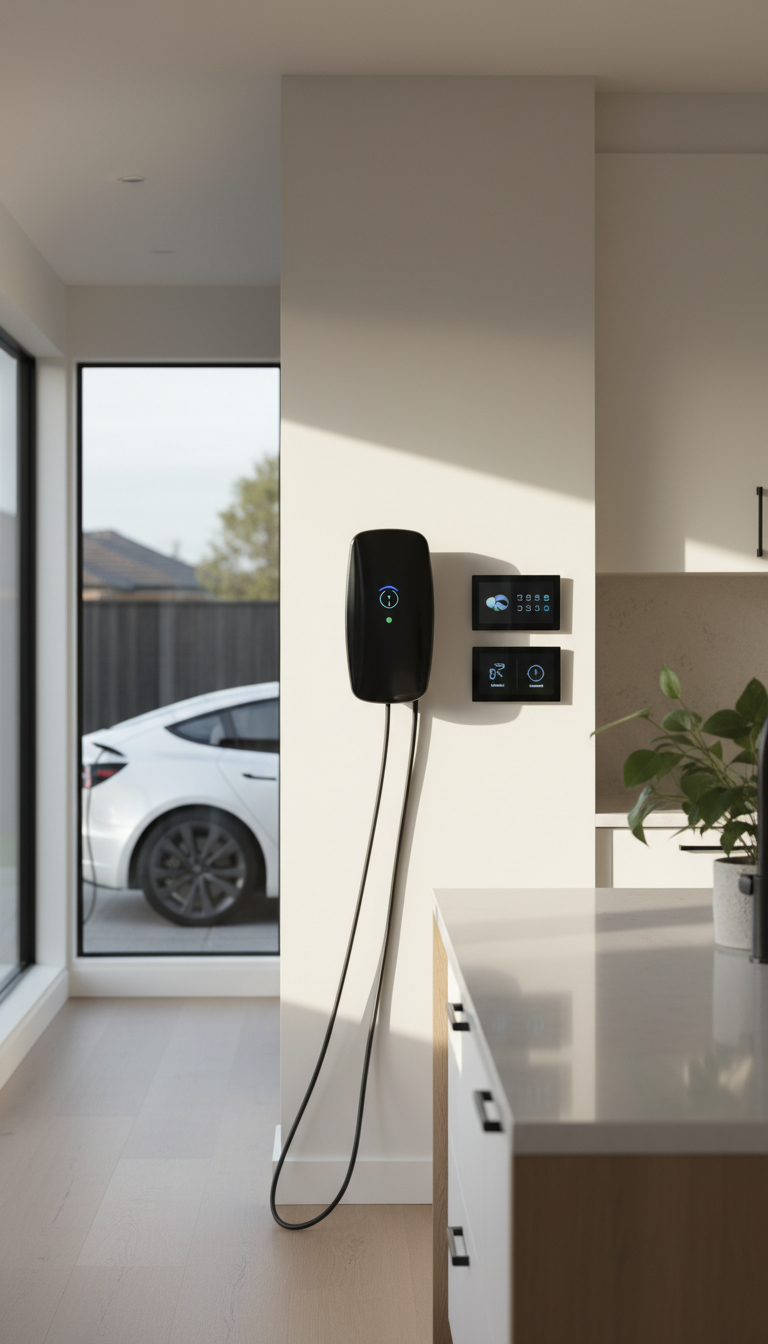
EV charger installation Denver typically takes two to three hours to complete when performed by a licensed electrician. The process involves installing a dedicated circuit and a Level 2 charging station to provide faster, more efficient home charging for electric vehicles. Homeowners should prepare by assessing their electrical panel capacity and selecting an ideal mounting location in their garage or driveway.
Transitioning to an electric vehicle should be an upgrade to your lifestyle, yet many Denver homeowners find themselves tethered to slow, inefficient Level 1 charging cords or hunting for available public plugs during a snowstorm. This lack of reliable infrastructure at home limits the potential of your investment and complicates your daily routine. At Elite Electric, we believe your charging setup should be as high performing as the car itself. This guide provides a professional overview of the installation process. You will learn how to evaluate your electrical panel capacity, select the ideal Level 2 hardware for your needs, and navigate the specific permitting requirements within the Denver metro area. Furthermore, we will detail how to capitalize on Xcel Energy rebates and federal tax credits to ensure your transition to sustainable driving is both seamless and cost effective.
The Growing Need for Residential EV Charging in Denver
Denver is rapidly becoming a hub for electric vehicle adoption, with more homeowners trading internal combustion for cleaner technology. While the environmental benefits are clear, the practical necessity for a dedicated home charging solution is driven by Colorado’s unique geography and climate. Freezing winter temperatures significantly impact battery performance and range, making the ability to pre-condition your vehicle in a controlled environment essential for daily reliability. Relying on public infrastructure during a Denver cold snap is often inefficient and inconvenient.
Many electrical contractors treat a charger as a simple utility addition. At Elite Electric, we understand that a high-end residence requires more than just a functional plug. We focus on integrating technology with precision, avoiding the cluttered look of exposed pipes and industrial grade boxes. This guide is designed to navigate the specific challenges of EV charger installation in Denver, providing a local perspective that balances technical excellence with aesthetic integrity. We aim to enhance your home's residential electrical services infrastructure while maintaining the sophisticated look of your property. By focusing on the nuances of the local market, we ensure your transition to electric driving is as seamless as the vehicle itself.
Step 1: The Initial Site Assessment and Panel Capacity
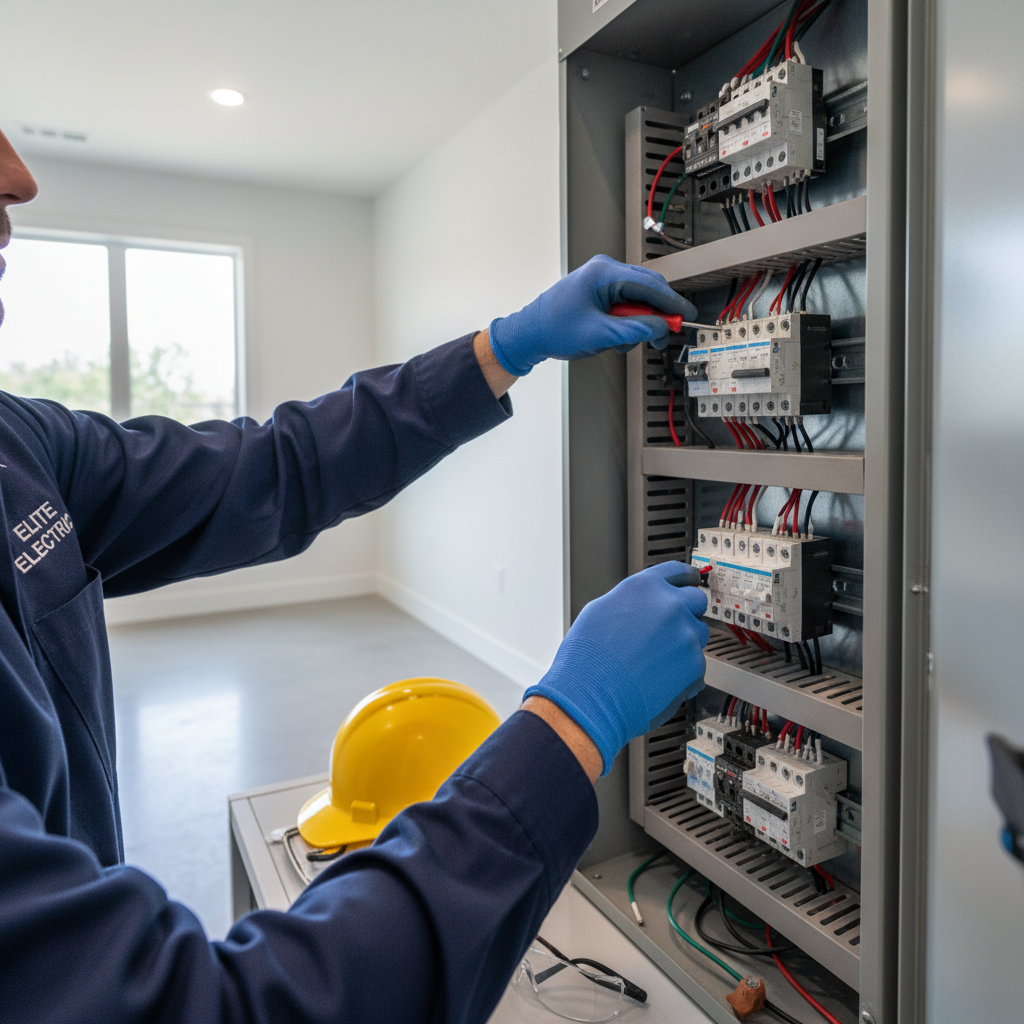
Every EV charger installation in Denver begins with a rigorous technical evaluation of your home’s current electrical infrastructure. This initial site assessment is the foundation of a reliable system, centered around a formal load calculation. We do not rely on guesswork; we perform a mathematical analysis of your existing electrical demand to ensure your home can safely support a high-draw Level 2 charger without compromising other essential systems.
In historic Denver neighborhoods such as Washington Park or the Highlands, many residences still operate on legacy 100-amp or 125-amp electrical panels. These systems were designed for a different era and often lack the surplus capacity required for the significant amperage an EV charger demands. In these cases, a service upgrade to 200 amps is frequently necessary to avoid overloading the main breaker. This contrasts sharply with newer developments in areas like Central Park, where 200-amp service is standard. However, even in modern homes, internal breaker space and the configuration of existing residential electrical services must be meticulously verified.
During the assessment, an Elite Electric technician evaluates three critical variables:
Panel Capacity: We check for available amperage and physical space for a dedicated double-pole breaker.
Total Load: We analyze the combined demand of your HVAC, electric appliances, and luxury lighting systems to determine peak usage scenarios.
The Physical Path: We map out the most discreet and efficient route from the electrical panel to your garage or driveway, prioritizing aesthetic integrity.
Our standard is not merely to make the charger functional, but to ensure the entire system is future-proofed. We focus on thermal safety and long-term integrity, selecting components that provide headroom for future technological additions. This meticulous planning prevents the common pitfalls of utility-grade installations, ensuring your home remains both high-performing and safe.
Choosing the Right Hardware: Level 2 Charging Options
Once the electrical capacity of your home is confirmed, selecting the specific hardware is the next critical decision. In the Denver market, three primary Level 2 chargers dominate due to their reliability and smart features. While most units provide the same basic function, their integration with your home’s existing technology varies significantly.
Feature | Tesla Wall Connector | ChargePoint Home Flex | Enel X Way JuiceBox |
|---|---|---|---|
Max Amperage | 48 Amps | 50 Amps | 48 Amps |
Installation | Hardwired Only | Plug-in or Hardwired | Plug-in or Hardwired |
Cable Length | 24 Feet | 23 Feet | 25 Feet |
Best For | Tesla Ecosystem/Universal | All-around Versatility | Smart Grid/Load Sharing |
For high-end residential electrical services, we almost exclusively recommend hardwired installations over NEMA 14-50 plug-in options. Hardwiring provides a significantly cleaner aesthetic by eliminating bulky industrial outlets and exposed heavy-duty cords. Beyond visuals, a hardwired connection supports higher continuous amperage, allowing your vehicle to charge at its maximum possible rate. In Denver, where garage temperatures fluctuate from sub-zero winters to hot summer afternoons, hardwired connections offer superior weather resistance and thermal stability, as they eliminate the extra points of failure found in mechanical plug connections.
Elite Electric assists you in choosing hardware that aligns with your broader tech ecosystem. If you utilize sophisticated home automation or specific energy monitoring tools, we ensure your EV charger installation in Denver integrates seamlessly. We focus on units that offer robust mobile applications, allowing you to manage charging schedules and monitor energy consumption with precision.
Installation Day: A Detailed Walkthrough of the Process
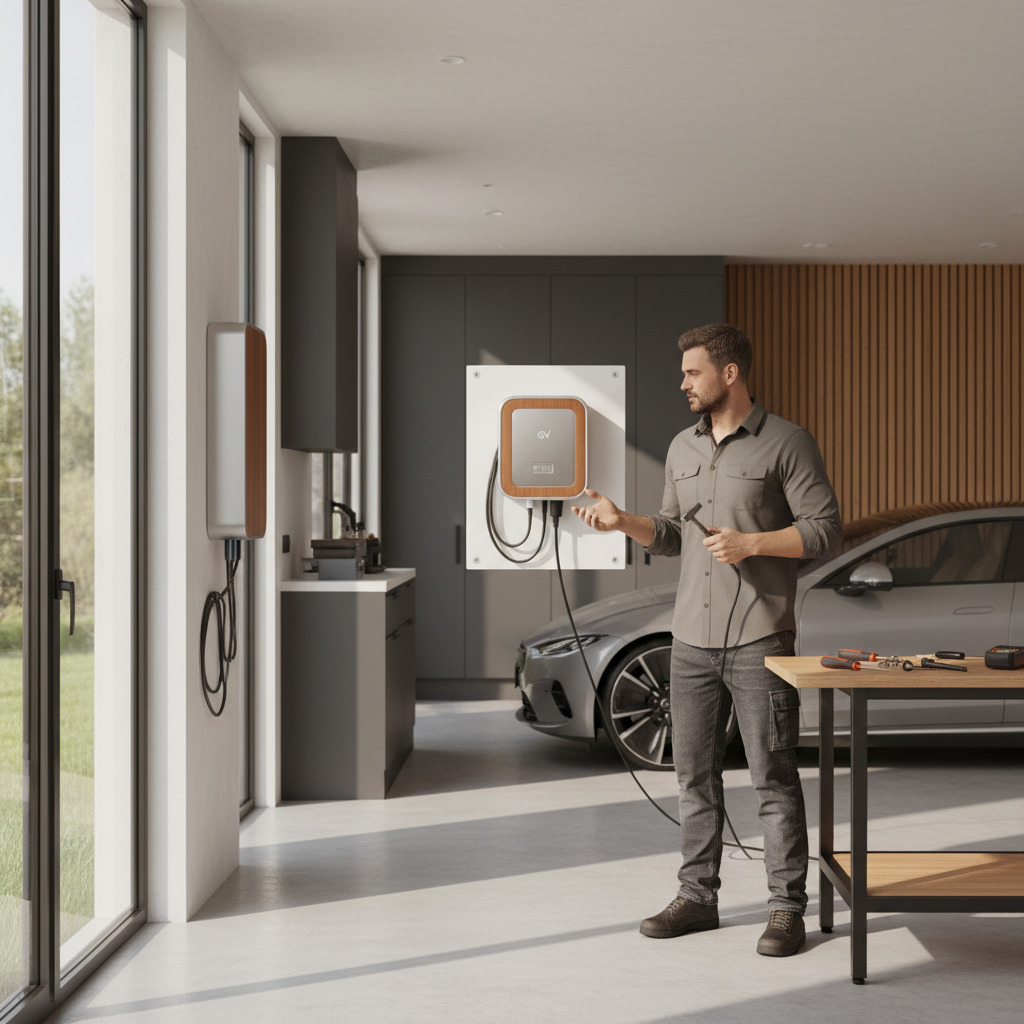
A standard EV charger installation in Denver typically requires a two to four hour window. Our process begins with a final walkthrough to confirm the mounting location and conduit path discussed during your assessment. We prioritize a clean, architectural finish. Unlike standard utility installations that often feature haphazardly placed pipes across garage walls, Elite Electric focuses on aesthetic conduit placement. We utilize wall cavities whenever possible or route conduit along existing structural lines to maintain the visual integrity of your space.
Once the path is established, we secure the charging unit to the wall using heavy duty fasteners suited for your specific wall type. We then install the circuit, using high quality materials designed to handle the thermal expansion and contraction common in Colorado garages. In Denver, temperature swings can cause inferior components to degrade or loosen over time; we mitigate this by using premium copper conductors and robust fittings.
Stage | Activity | Estimated Time |
|---|---|---|
Preparation | Final site walkthrough and safety setup | 30 Minutes |
Mounting | Securing the EVSE and routing conduit | 1 - 2 Hours |
Wiring | Final connections and breaker installation | 30 - 60 Minutes |
Commissioning | Testing and mobile app configuration | 30 Minutes |
After the physical installation, we perform a series of voltage and continuity tests to ensure the system operates at peak efficiency. The final step involves commissioning the smart features. We assist you with the initial mobile app setup, connecting the charger to your home network and configuring charging schedules. This ensures your residential electrical services upgrade is fully functional and optimized before our technicians leave the site.
Navigating Denver Permitting and Safety Regulations
Beyond the technical wiring, professional EV charger installation in Denver must account for the local regulatory landscape. The City and County of Denver, as well as surrounding municipalities like Cherry Hills Village and Lakewood, require a formal electrical permit for all EVSE installations. This is not merely a bureaucratic formality; it ensures the project is logged, inspected, and verified against the current National Electrical Code (NEC) standards.
Elite Electric manages the entire administrative process, including permit filing and scheduling the mandatory post-installation inspection. Handling the bureaucracy ourselves allows us to guarantee that every aspect of our residential electrical services meets local safety ordinances. This level of compliance is vital for protecting your property value and ensuring your homeowner’s insurance remains valid. Insurance providers often require proof of permitted work in the event of a claim, and unpermitted electrical modifications can become a significant liability during a future home sale.
By strictly following NEC guidelines, we mitigate technical risks such as thermal failures or circuit overloads. Our focus on precision extends from the physical wiring to the documentation required by local building departments, providing you with a safe and legally compliant power solution that integrates perfectly with your home's infrastructure.
Cost Breakdown: What Denver Homeowners Should Budget
Financial planning for an EV charger installation in Denver requires a clear understanding of your home’s specific infrastructure. While a straightforward installation typically starts around $1,200, complex projects involving comprehensive residential electrical services often exceed $4,000. Several technical variables dictate the final investment.
Distance is the primary factor. The linear footage of high-gauge copper wire and conduit required to reach your garage directly impacts material costs. If your residence requires a service upgrade to 200 amps, which is common in older Denver neighborhoods like Hilltop or Park Hill, the budget must account for a new main panel and utility coordination. Additionally, detached garages may necessitate trenching through landscaping or concrete, requiring specialized equipment and restoration labor.
Expense Category | Typical Range | Key Drivers |
|---|---|---|
Equipment (Charger) | $500 – $900 | Brand, smart features, cable length |
Electrical Materials | $300 – $1,500 | Wire gauge, conduit, panel components |
Specialized Labor | $600 – $2,500 | Complexity, permitting, load calculations |
Prioritizing a low entry price often results in thermal inefficiencies or unsightly conduit runs that diminish your property’s curb appeal. Elite Electric focuses on precision installations that integrate with your home’s architecture while ensuring the system handles sustained high-amperage loads safely. Investing in quality craftsmanship now prevents the maintenance costs associated with inferior, utility-grade work.
Maximizing Savings with Xcel Energy Rebates and Tax Credits
While the upfront investment for a high-end EV charger installation in Denver reflects the quality of materials and expert craftsmanship, several local and federal incentives can significantly offset the net cost. Xcel Energy’s EV Accelerate at Home program is a primary resource, currently offering a $500 rebate for the purchase and installation of a qualifying Level 2 unit. To qualify, homeowners must typically enroll in a time-of-use rate plan, which encourages vehicle charging during off-peak hours when energy demand is lower.
On a broader scale, the federal 30C tax credit provides a 30% credit on hardware and installation costs, capped at $1,000 for residential projects in eligible census tracts. Colorado also periodically introduces state-specific credits to encourage infrastructure growth within the Front Range.
Program Source | Benefit Type | Maximum Value |
|---|---|---|
Xcel Energy | Residential Rebate | $500 (Standard) |
Federal Government | 30C Tax Credit | $1,000 |
State of Colorado | Tax Credit | Varies by year |
Elite Electric provides the comprehensive documentation required for these filings. We ensure you have the itemized invoices and verified permit records necessary to prove compliance with residential electrical services standards. This precise approach simplifies the application process and ensures you receive the full financial benefit of your transition to electric power.