Whole-home generators are typically the best choice for Denver residents facing extended winter outages due to their ability to run indefinitely on natural gas. When comparing a generator vs battery backup Denver, homeowners should choose a generator for high-capacity power needs, while battery systems are better suited for those prioritizing silent operation and solar energy storage.
When the heavy spring snows or sudden summer storms hit the Front Range, Denver homeowners are often left in the dark. A power outage is more than a minor inconvenience; it disrupts your home office, compromises your security systems, and leaves your family in the cold. At Elite Electric, we understand that energy reliability is a cornerstone of modern property management. Choosing between a whole home standby generator and a sleek battery backup system requires a deep look at your specific energy needs and long term goals. In this guide, we break down the performance, installation costs, and practical applications of both systems in our unique Colorado climate. You will learn which technology offers the most resilient defense for your property, ensuring you never have to worry about the grid failing you again.
Why Denver Homeowners are Rethinking Energy Reliability
Denver’s energy landscape has shifted from passive consumption to strategic planning. The introduction of Public Safety Power Shutoffs (PSPS) by Xcel Energy signals a new reality for the Front Range, where grid stability is no longer guaranteed. Local environmental factors exacerbate this instability. Heavy spring snow loads frequently cause line failures, while intense summer windstorms can leave neighborhoods dark for extended periods.
In a modern, high-end residence, a power failure is more than a minor inconvenience. It threatens essential infrastructure like sump pumps during rapid snowmelt, sophisticated climate control systems, and the connectivity required for professional home offices. As residents prepare for an all-electric future in Denver, ensuring continuity through preventative electrical maintenance and redundant systems has become a priority. This necessity has sparked a critical debate for property owners: the choice between a standby generator vs battery backup Denver residents can rely on during the next major event. Each technology offers distinct advantages depending on your property’s specific demands and your long-term energy goals.
Whole Home Standby Generators: The Denver Powerhouse
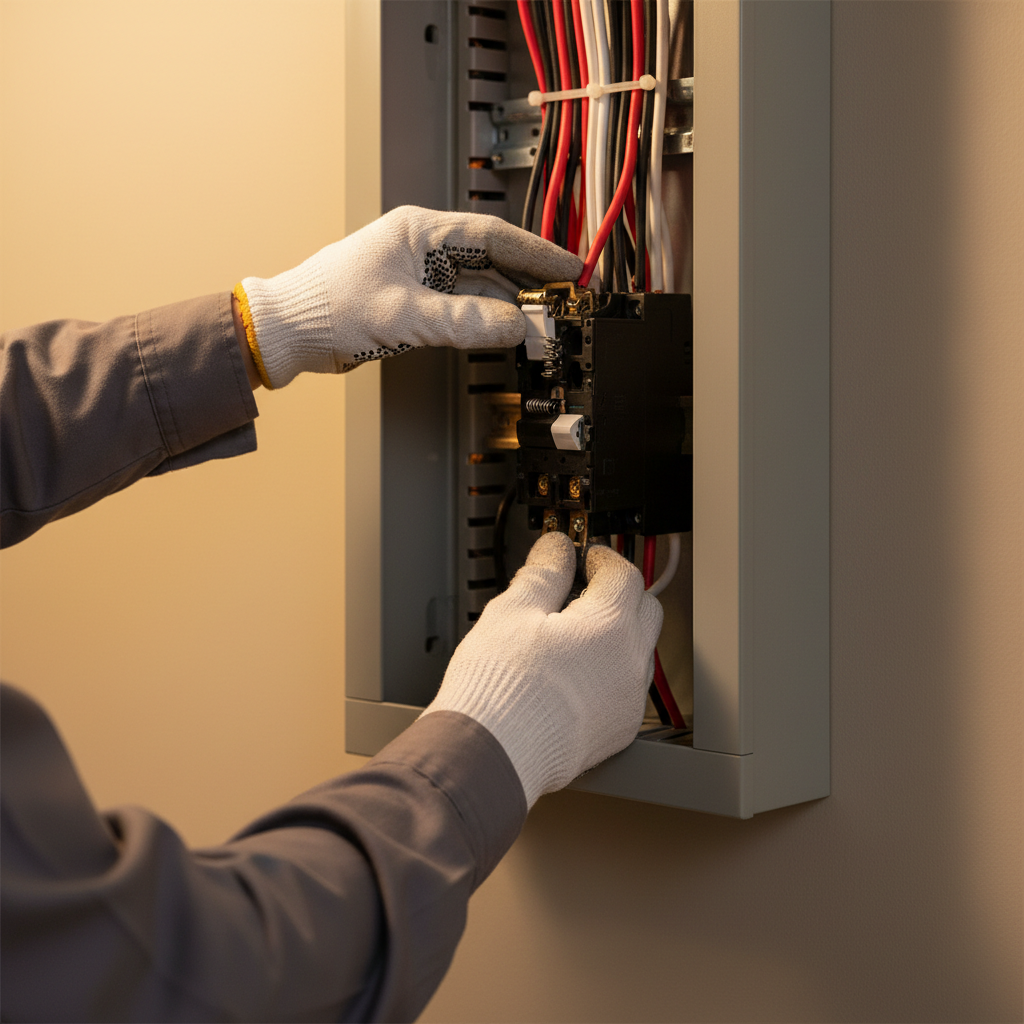
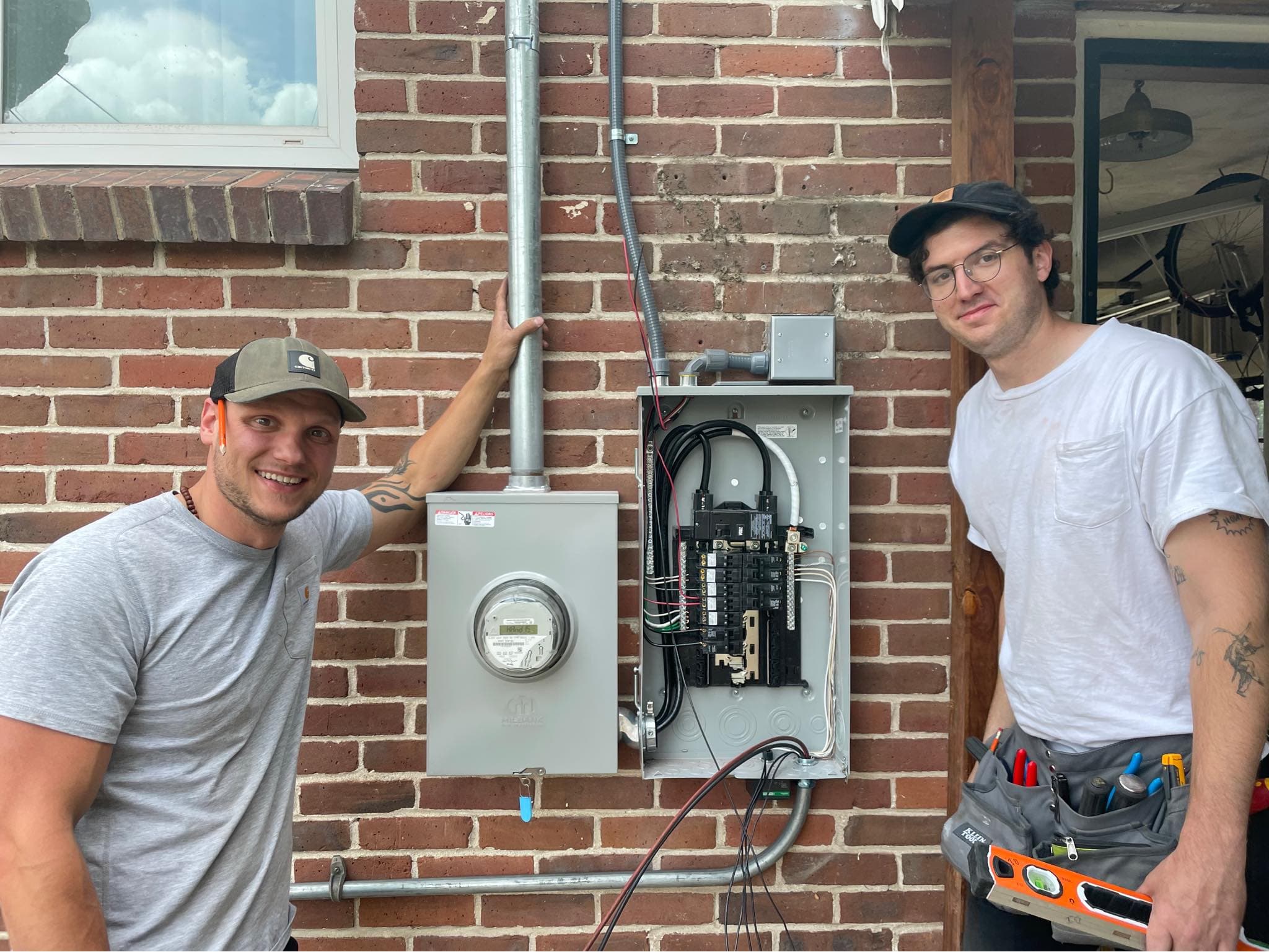
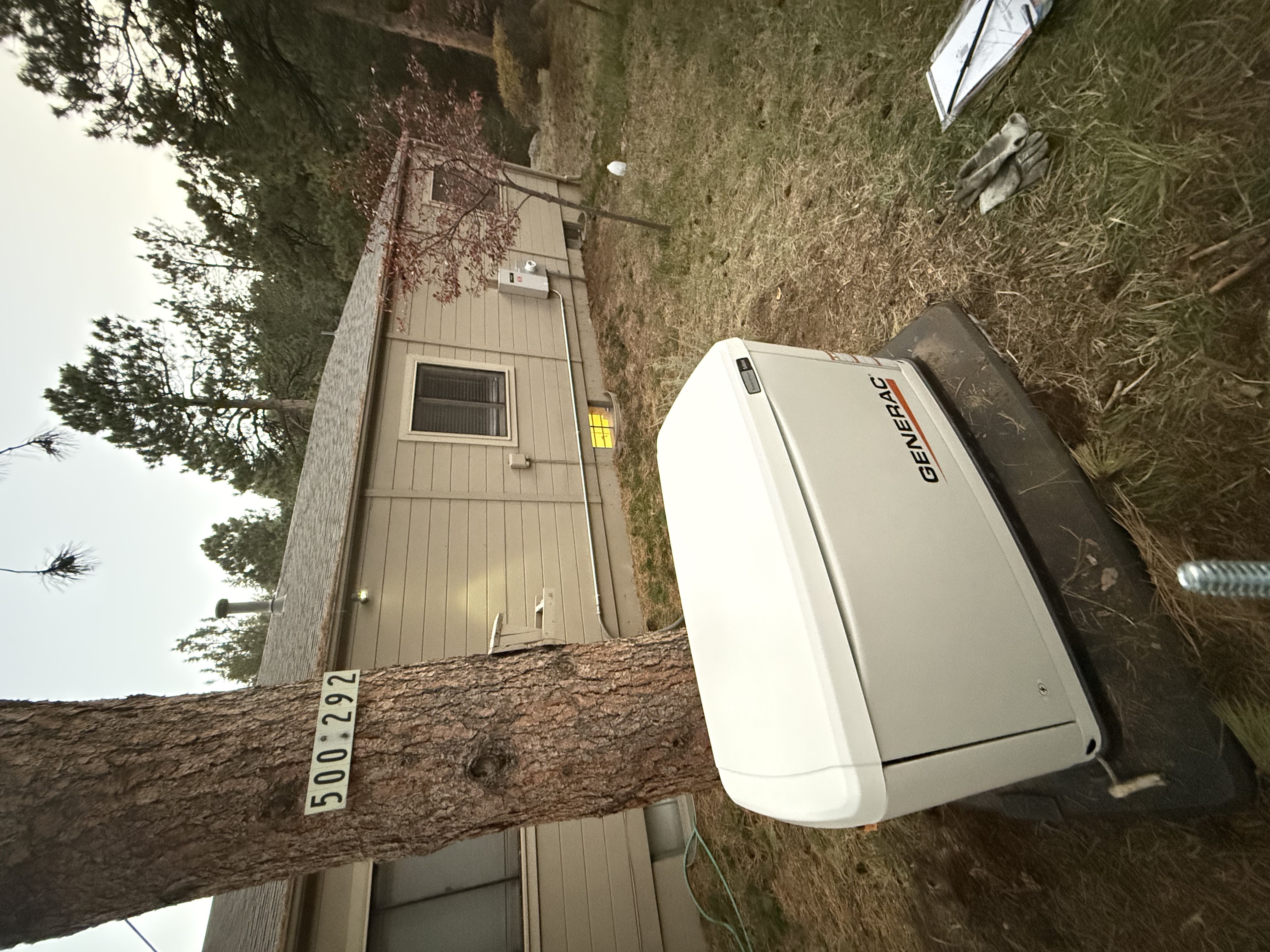
A whole home standby generator serves as a dedicated power plant for your property. Unlike portable units that require manual setup, gasoline storage, and the hazardous task of running extension cords during a blizzard, a standby system is permanently installed and integrated into your electrical panel. The heart of this system is the automatic transfer switch (ATS). When the ATS detects a drop in utility voltage, it signals the generator to start and then safely disconnects the home from the grid while simultaneously connecting it to the generator. This process occurs in seconds, providing the zero-effort restoration expected in high-end residences.
In the Denver metro area, fuel logistics heavily favor the standby model. Suburban neighborhoods like Highlands Ranch and Cherry Creek feature robust natural gas infrastructure, allowing generators to tap into a continuous fuel source that does not require manual refilling. This is a critical advantage during extended outages where local gas stations may also be without power. When considering a generator vs battery backup Denver homeowners often prioritize this unlimited runtime for multi-day events.
Precision during the installation phase is mandatory to meet strict Denver building codes and safety standards. We strictly adhere to the 20 20 20 rule, which involves maintaining a 20 foot clearance from the house, 20 feet from windows or doors, and 20 feet from property lines or combustible materials. Professional placement ensures that exhaust gases are properly ventilated and that the unit functions as a reliable component of your preventative electrical maintenance strategy.
For properties ranging from 1,500 to 2,500 square feet, a 15kW to 25kW unit is usually necessary to maintain full climate control and appliance functionality. Choosing a standby system over a portable one means choosing a sophisticated, hands-off solution that safeguards your home's infrastructure the moment the grid fails.
Home Battery Backup: Silent Energy for the Modern Grid
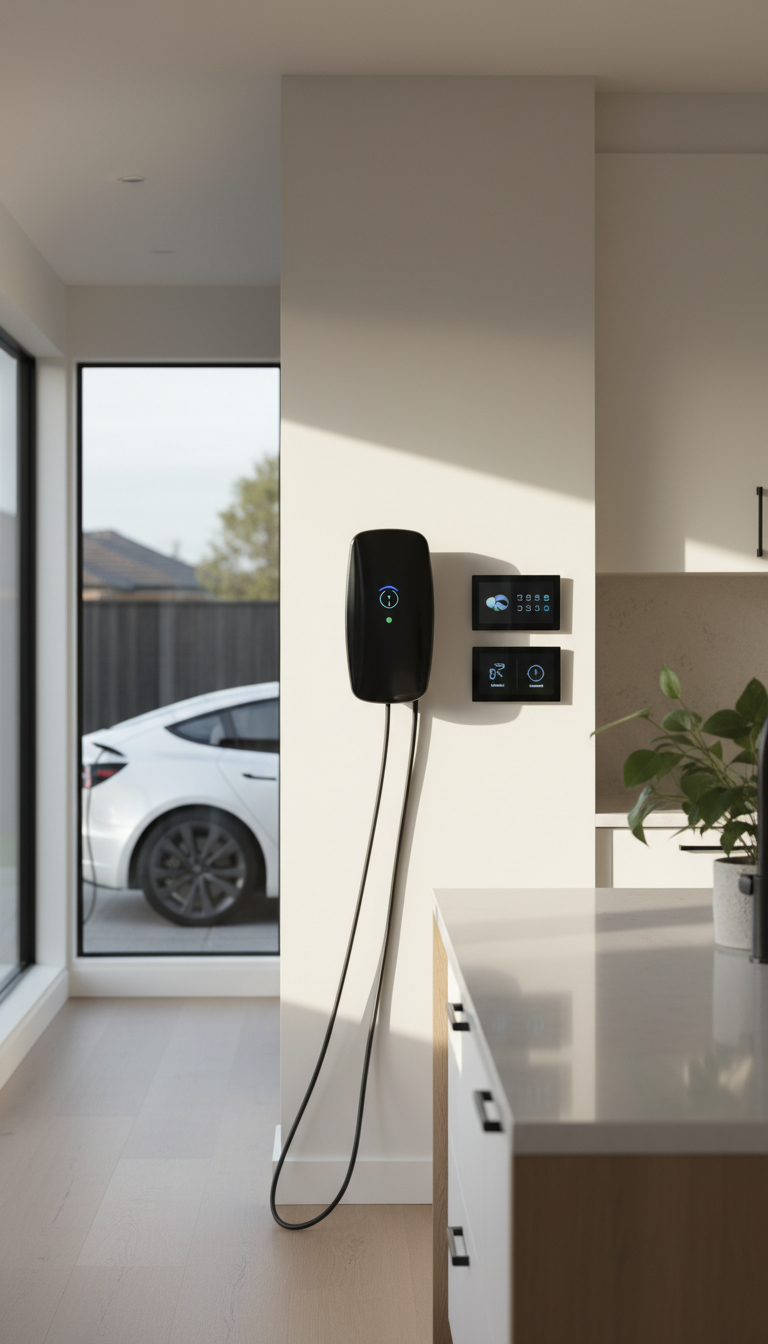
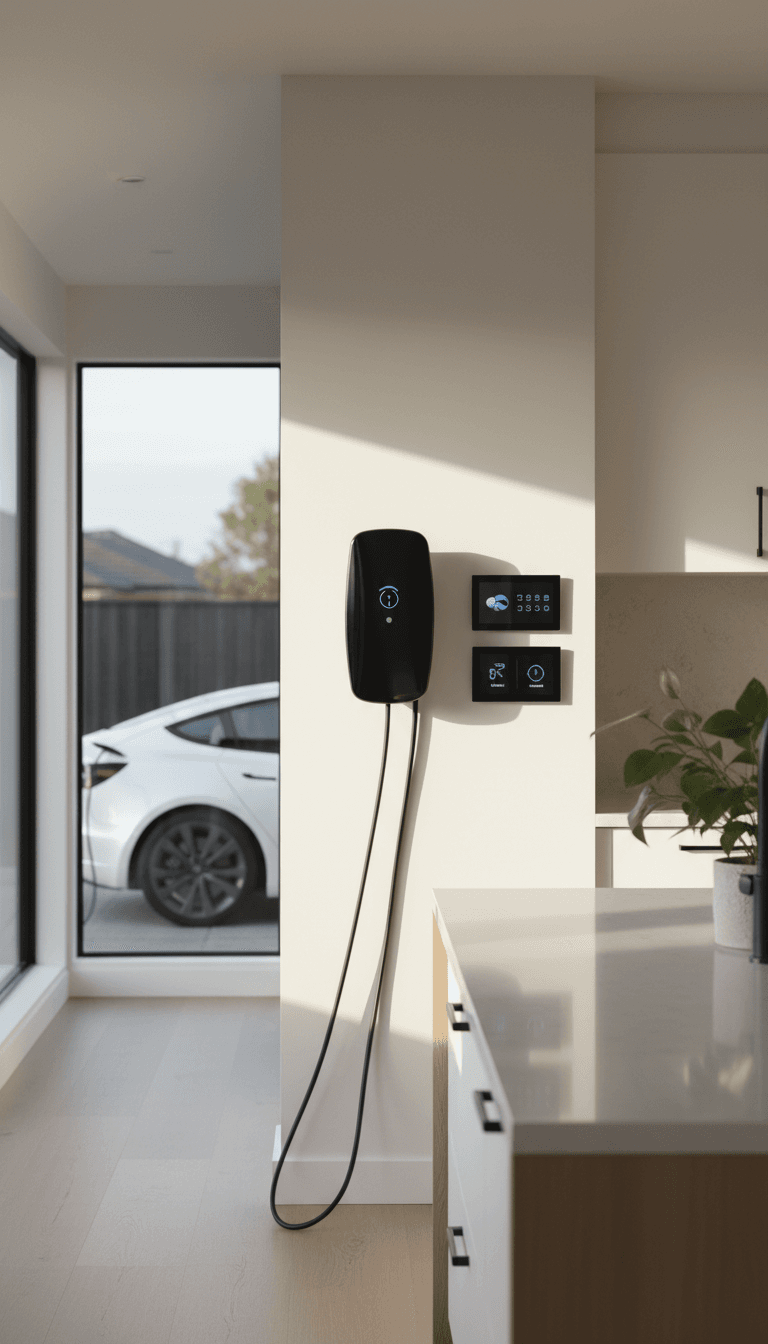
While a standby generator relies on mechanical combustion, home battery systems like the Tesla Powerwall represent a shift toward silent, solid state energy storage. These systems do not require a solar array to be effective; instead, they can be configured as grid charged units that draw power during off peak hours to store for later use. This functionality is particularly advantageous in densely populated Denver neighborhoods like Washington Park or the Highlands, where small lot sizes and strict municipal noise ordinances often make the installation of a combustion engine problematic. When weighing the choice of a generator vs battery backup Denver homeowners in urban corridors frequently find that the silent operation of lithium iron phosphate (LFP) technology is the only viable path to compliance with local HOA or city restrictions.
Beyond emergency backup, battery storage serves a daily economic purpose through a strategy known as peak shaving. Xcel Energy has transitioned most residential customers to time of use (TOU) rates, where electricity costs significantly more during late afternoon and early evening hours. A properly commissioned battery system can automatically discharge to power your home during these premium windows, effectively insulating you from the highest utility tiers. By shifting your consumption away from the grid during peak times, the system provides a consistent return on investment that a generator cannot match.
Integration of these systems requires high technical precision to ensure the battery correctly communicates with your existing electrical panel. As part of a comprehensive approach to preventative electrical maintenance, a battery backup offers a clean and compact footprint. It occupies roughly the space of a small water heater and operates without emissions, making it an ideal choice for the all-electric future in Denver that many local property owners are now prioritizing.
Generator vs Battery Backup Denver: Head to Head Comparison
Selecting the right system requires an objective look at how these technologies perform under the specific conditions of the Front Range. While both provide a necessary safety net, their operational profiles differ significantly across four primary categories.
Feature | Standby Generator | Battery Backup |
|---|---|---|
Primary Benefit | Indefinite runtime for long outages | Silent operation and daily cost savings |
Maintenance | Annual mechanical servicing required | Minimal software updates |
Noise Level | 65 to 70 decibels (similar to a vacuum) | Near silent |
Energy Source | Natural gas or propane | Grid-stored or solar energy |
Runtime and Endurance In the context of a catastrophic weather event, such as the 2003 blizzard that paralyzed Denver for days, the standby generator is the superior choice. As long as the natural gas lines remain pressurized, a generator can run for weeks at a time. Conversely, a battery backup is designed for short blips or precisely managed consumption. Once the stored kilowatt-hours are exhausted, the battery cannot recharge until the grid returns or a solar array generates new power, making it a finite resource during extended winter storms.
Maintenance and Reliability A standby generator is a complex internal combustion engine, meaning it requires preventative electrical maintenance similar to a high-end vehicle. This includes annual oil changes, spark plug replacements, and battery checks to ensure the starter motor is ready. Batteries are solid state devices with no moving parts. This makes them largely maintenance free over their decade-long lifespan, appealing to homeowners who prefer a set-and-forget solution.
The High-Altitude Factor A technical nuance often overlooked in the generator vs battery backup Denver debate is the effect of elevation on performance. In Denver, the thinner air reduces the oxygen available for combustion. For every 1,000 feet above sea level, a naturally aspirated engine typically loses approximately 3 percent of its rated power. This means a generator rated for 20kW at sea level may only deliver 17kW at our elevation. Battery systems are unaffected by atmospheric pressure, maintaining 100 percent efficiency regardless of the altitude.
Noise and Environmental Impact Generators produce audible noise and carbon emissions during operation. While modern acoustic enclosures dampen sound effectively, the unit is still noticeable to nearby neighbors. Batteries offer a silent, zero-emission solution that aligns with the all-electric future in Denver. For property owners prioritizing a minimal carbon footprint, the battery is the clear winner.
Cost of Installation in the Denver Metro Area
Investing in energy resilience requires a clear understanding of the initial capital outlay versus long term value. In the Denver metro area, a whole home generator installation typically ranges from $5,000 to $18,000 or more. This price fluctuates based on the kilowatt (kW) capacity and the complexity of the natural gas line integration. For a larger estate requiring a 25kW unit to maintain full HVAC and appliance functionality, the upper end of that range is a standard expectation.
Battery systems involve a different cost structure, generally starting between $8,000 and $15,000 per unit. Because a single battery may not support the high surge loads of a modern central AC system, many high end properties require two or three units to achieve true energy independence. When evaluating a generator vs battery backup Denver homeowners must also account for specialized labor. Professional installation by a master electrician in Denver averages approximately $190 per hour, a rate that reflects the precision required for complex system commissioning and preventative electrical maintenance.
Financial incentives can offset these costs. While standalone backup systems are rarely tax deductible in Colorado, batteries qualify for a 30 percent federal tax credit when paired with solar as part of an all-electric future in Denver. Additionally, if a system is installed for documented medical necessity, it may be exempt from state sales tax. For a detailed quote tailored to your property’s specific load profile, contact Elite Electric to consult with our technical team.
Which One Should You Choose for Your Property?

Selecting between these two technologies depends on your property’s structural footprint and your specific risk profile. For owners of luxury condos or contemporary townhomes in high density neighborhoods like LoDo or RiNo, a battery system is the logical choice. These urban environments offer little to no outdoor space for a combustion engine and are subject to strict noise ordinances. A wall mounted battery occupies a minimal footprint and integrates perfectly into an all-electric future in Denver, providing enough power to maintain essential lighting and networking during a grid blip.
Larger estates in Bow Mar or Castle Pines require a more robust solution. These properties often feature expansive square footage, multiple HVAC zones, and sophisticated lighting control systems that demand high peak currents. A standby generator, typically 20kW or larger, provides the raw power necessary to maintain the entire property's functionality. Because these areas are more susceptible to downed lines during heavy spring snows, the unlimited fuel supply of a natural gas line is a significant advantage for long term endurance.
Critical needs, such as powering life saving medical equipment, also dictate a specific path. In cases of medical necessity, the finite storage capacity of a battery presents a risk during extended multi day outages. A standby generator remains the safer bet for ensuring an uninterrupted power supply. To determine the exact load requirements for your property, contact Elite Electric to schedule a technical assessment. We can help you implement a system backed by preventative electrical maintenance to ensure your home remains energized regardless of grid conditions.
Selecting between a generator and a battery backup system ultimately depends on your specific household needs, budget, and long term goals for energy independence. While generators offer reliable power for extended outages, battery systems provide a quieter and more sustainable alternative for daily use. Navigating these technical choices can be complex for any homeowner. If you want expert help determining the best fit for your Denver property, you can learn more about our team to see how we approach custom electrical solutions. We are here to ensure your home remains powered and protected throughout every season.